 Pre-Sale
On this page
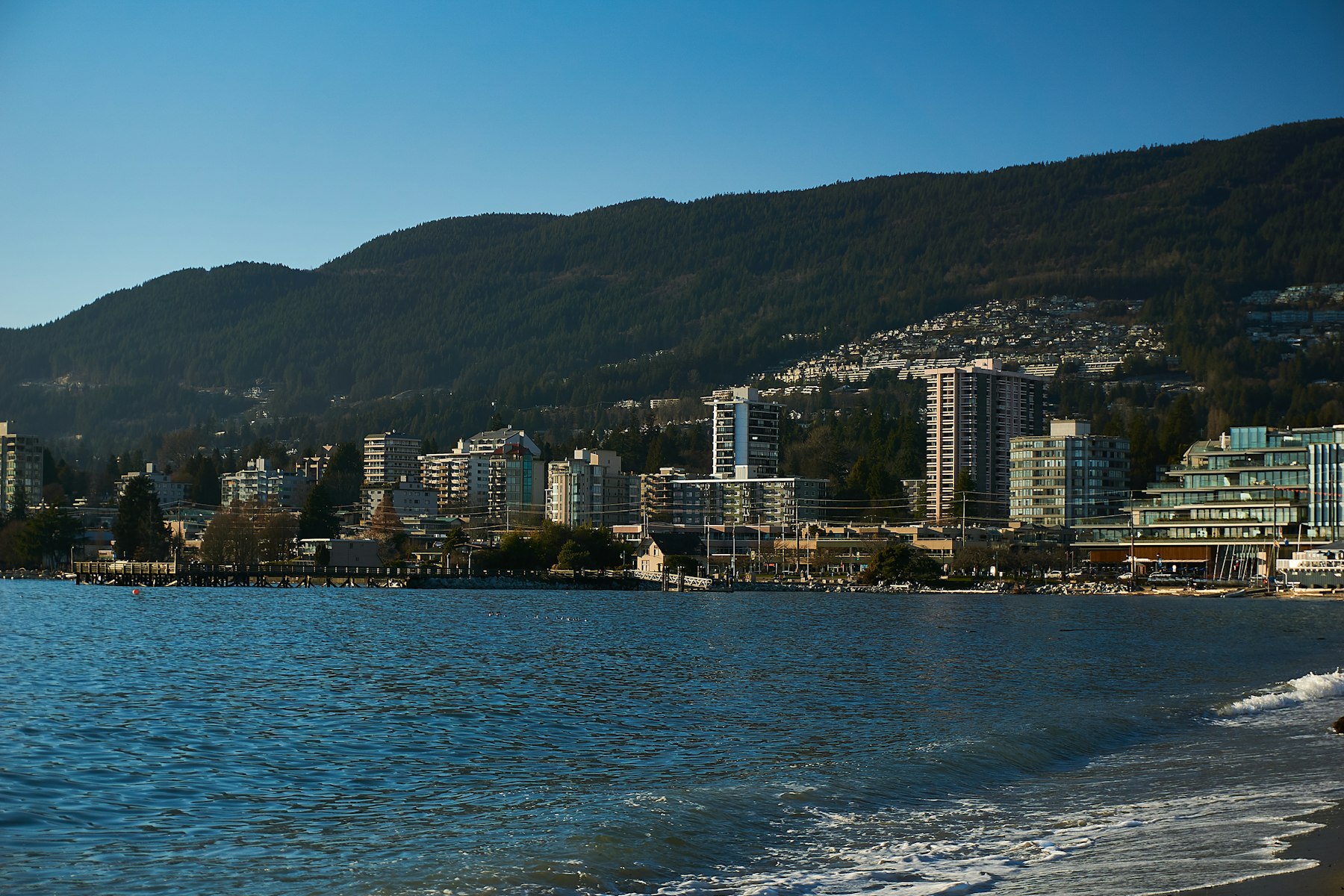
Mountains at the end of the street, forest trails behind the house and a short trip to downtown Vancouver. That is the North Shore. It is one of the most popular places to live in Metro Vancouver, and for good reason. Here is what to know about living on the North Shore before you buy in North or West Vancouver.
Key takeaways
- North Vancouver is two separate municipalities, the City and the District, each with its own taxes, rules and plans.
- West Vancouver is mostly detached homes on large, often sloped lots, with village life in Ambleside and Dundarave.
- Commutes depend on two bridges and the SeaBus, so test your route at rush hour.
- Sloped lots, older homes and view properties need extra checks before you buy.
Living on the North Shore: three municipalities, not one
Most people say “North Vancouver” without realising it is two places. The City of North Vancouver is the compact, urban core around Lonsdale Avenue. The District of North Vancouver surrounds it, from Deep Cove in the east to Edgemont and the Capilano area in the west. West Vancouver is a separate municipality again, stretching from Ambleside to Horseshoe Bay.
Each has its own property tax rates, zoning rules and plans for growth. Two homes a few blocks apart can sit in different municipalities, so the exact address matters more than most buyers expect. Together, the City and District of North Vancouver are home to about 146,000 people, and West Vancouver to about 44,000, based on the 2021 Census.

Neighbourhoods at a glance
North Vancouver
- Lower Lonsdale. Condos and townhomes near the Shipyards, Lonsdale Quay and the SeaBus. Walkable and lively.
- Central and Upper Lonsdale. A mix of towers, low-rise buildings and family homes along the main corridor.
- Lynn Valley. Family homes, good schools and trails into Lynn Canyon and Lynn Headwaters.
- Deep Cove. A seaside village with kayaking, the Quarry Rock hike and a slower pace.
- Edgemont Village. Character shops and cafés, and larger family homes on quiet streets.
West Vancouver
- Ambleside. The seawall, Ambleside Park and a walkable strip of shops, with condos and older homes near the water.
- Dundarave. A village feel along Marine Drive, the pier and view homes up the hill.
- British Properties. Large homes on private lots high on the mountain, many with big views.
- Horseshoe Bay. A small village at the ferry terminal with marinas, cafés and trails.
Each area has its own guide with Census numbers and a map of schools, shops, parks and transit: North Vancouver and West Vancouver.
Getting around
The North Shore connects to the rest of the region through two bridges, the Lions Gate and the Ironworkers Memorial, plus the SeaBus. The SeaBus crosses from Lonsdale Quay to Waterfront Station in downtown Vancouver in about 12 minutes, and RapidBus routes run along the North Shore. Driving outside rush hour is easy. At peak times, bridge traffic can add a lot to your commute.
Before you buy, do your commute at the time you would actually travel. Ten minutes on a map can be forty on a Tuesday morning.

Living on the North Shore: what you get for your budget
The North Shore is not the cheapest part of Metro Vancouver, but there is a wide range. Condos and townhomes around Lonsdale and Lynn Valley are the most common way in. Detached homes in the District give you more space, and West Vancouver is known for larger lots and view properties at the top end of the market.
Because values change from one block to the next, I always look at recent sales for the exact street and type of home. Online averages for “North Vancouver” are rarely a good guide for a specific house.
What to check before you buy
- Slope, drainage and retaining walls. Many homes are built on hillsides. Water management and retaining walls can be expensive to fix.
- Older homes. Look at the age of the roof, plumbing, electrical and windows. Some older homes once used oil heating, so ask whether an old oil tank was removed.
- Views. Find out whether a view is protected or could be blocked by a neighbour’s renovation or new building.
- Strata documents. For condos and townhomes, read the depreciation report, recent minutes and the contingency fund balance.
- Which municipality and school catchment. Confirm both for the exact address, along with the property tax rate.
Schools and family life
Public schools are run by the North Vancouver School District and the West Vancouver School District. Catchments are set by address, and some schools are often full, so check the catchment for every home you consider. Families also love the parks, beaches, community centres and ski hills close to home.
Is living on the North Shore right for you?
If you want the outdoors on your doorstep and a quick trip downtown, it is hard to beat. If you need the most space for your budget, it is worth comparing with the Tri-Cities or the Fraser Valley too. Book a free call and I will help you compare neighbourhoods for your budget, commute and lifestyle.
General information only, not legal, tax or financial advice. Rules change, so check what applies to your situation before you act.